

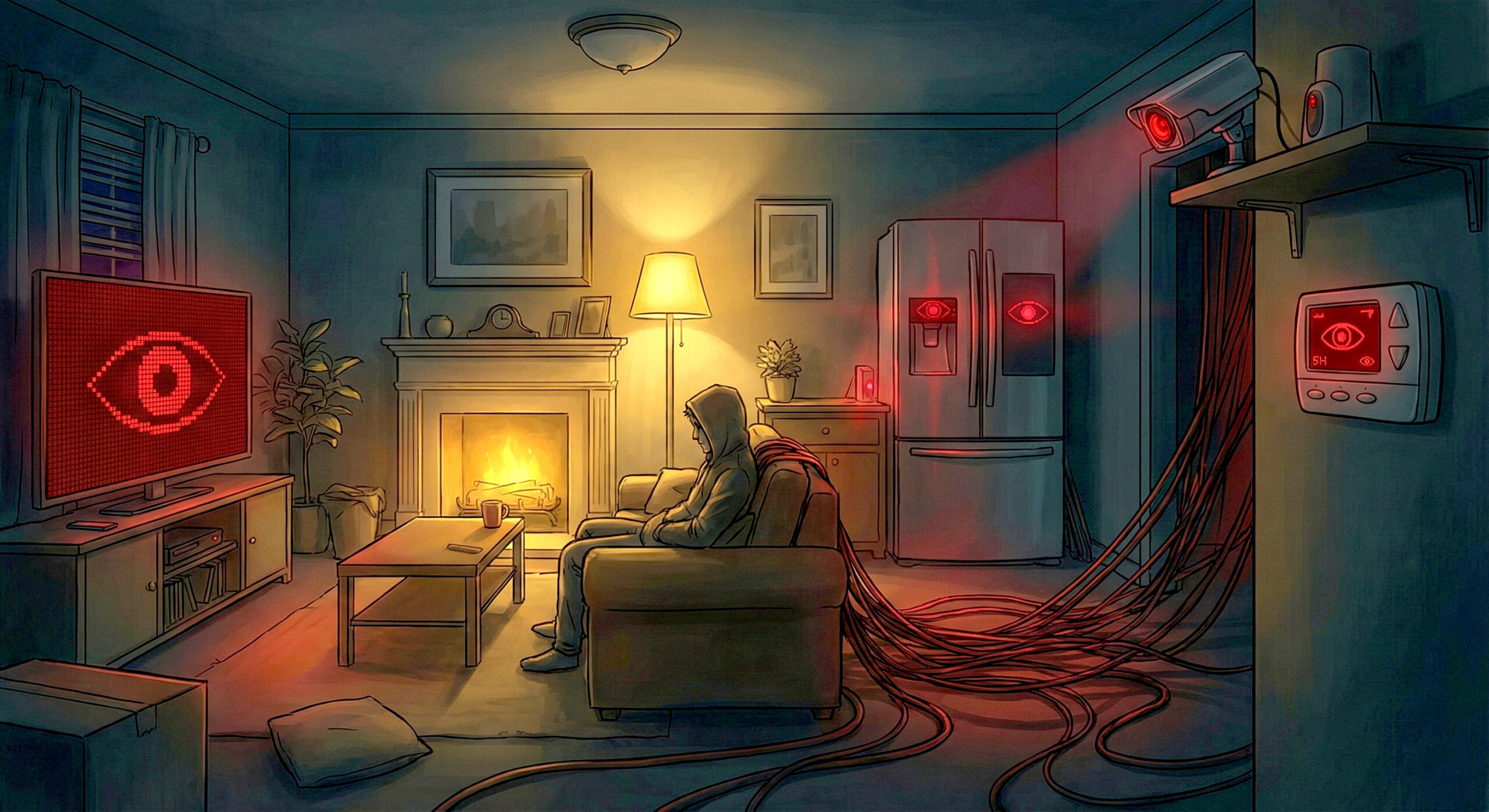
IoT Attacks: When Your Own Appliances Become Digital Spies in Your Home
Until a few years ago, the only security concern in the home was locking the front door. Today, we have filled our homes with "smart" devices: light bulbs, sockets, thermostats, surveillance cameras and even refrigerators connected to the Internet. But have you ever thought that these convenient gadgets are actually small computers, often without any protection?
In 2026, IoT (Internet of Things) attacks have exploded. Hackers are no longer trying to break into your laptop, but are entering the network through the smart thermostat you forgot the factory password for. At Altanet Craiova we are receiving more and more requests for help from people who have discovered that their private lives are being broadcast live on the internet.
Why are smart devices an easy target?
The major problem with IoT devices is that manufacturers emphasize "cheap and easy to use," not "secure." Here are the main vulnerabilities:
- Default passwords: Many webcams come with the username "admin" and the password "1234". If you don't change them immediately, there are bots that scan the internet and automatically connect to them.
- Lack of updates: When was the last time you updated your washing machine software? Probably never. Discovered vulnerabilities remain open for years.
- Shared network: We usually keep our smart bulb on the same Wi-Fi network as the laptop we use for banking. If a hacker breaks the bulb, they can easily access our bank account.
What can hackers do with a connected toaster?
It may sound funny, but the risks are serious. A compromised device can be used to:
- Video/Audio Spying: Baby monitors or entryway cameras are popular targets. Images from your home can end up on dubious websites.
- Pivot point: The hacker enters through the robot vacuum cleaner and from there launches attacks on your work computer.
- Botnets: Your device becomes a "zombie" in a digital army used to attack government websites, without your knowledge. Your internet connection is a little slower, but the damage is done to others.
How do you secure your smart home?
You don't have to give up comfort, but you do need to apply some digital hygiene rules:
- Change default passwords: As soon as you take a device out of the box, change the password. Use a complex one.
- Network Segmentation (Guest Wi-Fi): Most modern routers have a “Guest Network” option. Connect all your IoT devices to this separate network. That way, if your fridge is broken into, hackers can’t get to your personal files.
- Update the firmware: Periodically check the app on your phone to see if there are updates for your gadgets.
To delve deeper into the subject and see advice validated by experts, you can consult the guides on the national platform Online Safety (DNSC & Romanian Police).
Conclusion
The home of the future is comfortable, but it must also be safe. Don't leave your digital door open through carelessness. An unprotected smart bulb is like a window left open on the ground floor.
Do you have a lot of smart devices and want to know if your home network is secure? Our team can configure advanced routers and provide IT services for smart home. Visit our contact page and secure your home.
This material is part of Altanet's educational series on digital security. Want to know what other risks you are exposed to this year? See Complete list of cyber threats in 2026.

Leave a reply