

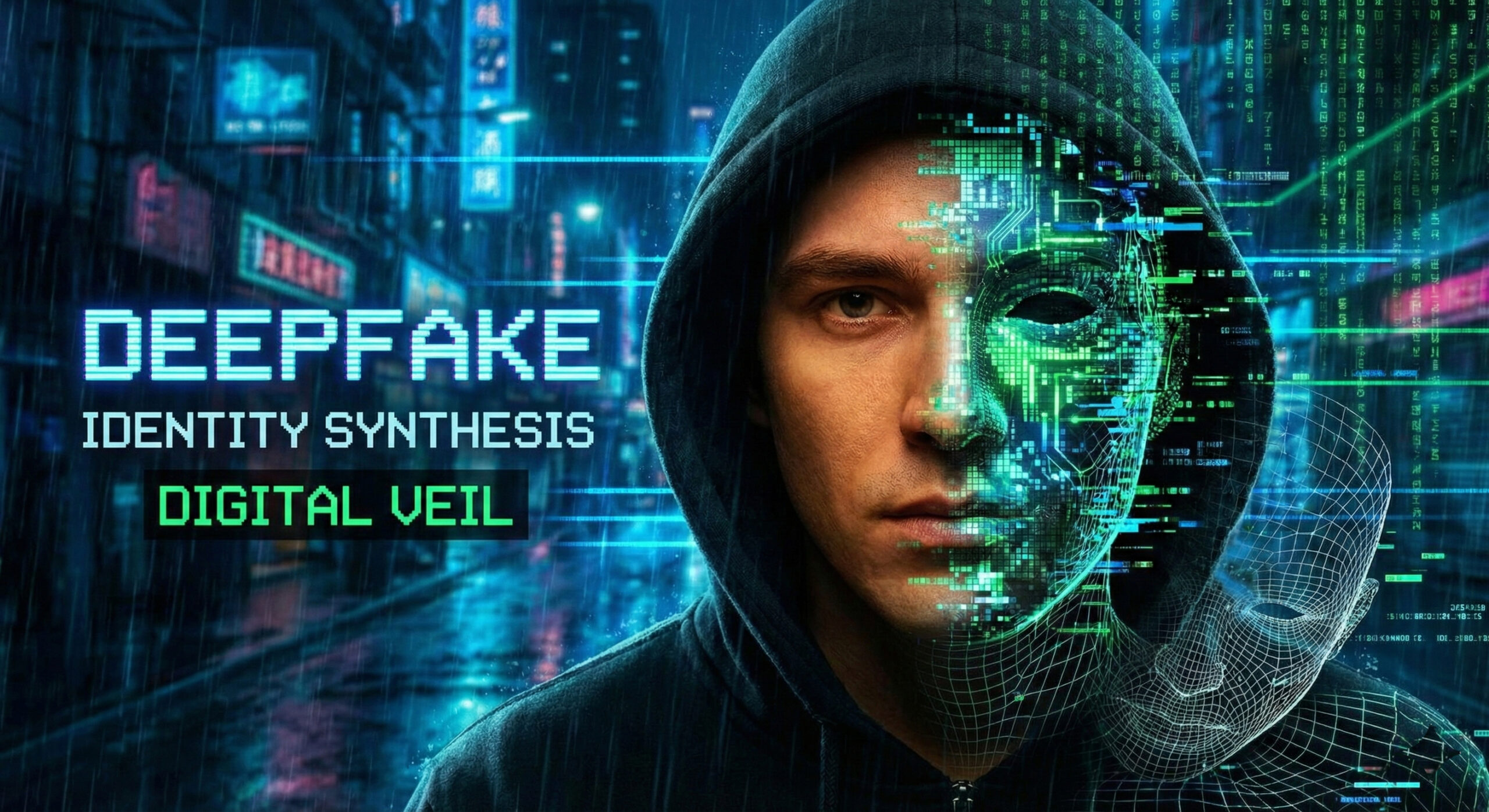
Deepfake: When technology steals your face and voice to commit fraud
Until now, if you saw a video of someone saying something or heard your mother's voice on the phone, you knew it was real. In 2026, that certainty is gone. Deepfake technology has evolved so much that anyone can be digitally "cloned" with just a few seconds of audio or video recording.
At Altanet Craiova we are receiving more and more questions about strange phone calls or fake videos. It is vital to understand that your eyes and ears can be fooled by Artificial Intelligence.
What is Deepfake and how did it become a weapon?
The term comes from “Deep Learning” and “Fake.” Basically, AI software studies a person’s face and voice (from Facebook photos or YouTube videos) and learns to imitate them perfectly.
The result? A video clip in which you seem to say things you never said, or a voice identical to yours calling the bank to ask for a loan. It's no longer about Hollywood special effects that cost millions, but applications that hackers run on an ordinary laptop.
"The Boss" Attack: Vishing with a Cloned Voice
The most dangerous form of attack for companies is "CEO Fraud" via voice. The scenario is as follows:
- The accountant receives a phone call.
- At the end of the line is the director's voice (identical, with the same tone and accent): "Hello, I'm in a meeting, please make an urgent payment to the new supplier, I'll send you the bill on WhatsApp. It's a big hurry."
- The accountant, recognizing the boss's voice, makes the payment immediately.
- The money disappeared. The real director never called.
How do you distinguish a fake from reality?
Although technology is advanced, it still leaves traces ("glitches"). Here's what to watch out for:
- Unnatural blinking: In Deepfake video calls, the cloned person blinks rarely or not at all, or their eye movements are jerky.
- Lip syncing: Sometimes the sound comes a split second before the lips move, like in poorly dubbed movies.
- Verify on another channel (Golden Rule): If you receive an urgent call asking for money or data, hang up and call the person back on the number you have in your phone book. Or send a confirmation SMS. Hackers cannot intercept both channels simultaneously.
To learn more about how to protect yourself and recognize the subtle signs of a fake, you can check out Kaspersky's guide on detecting Deepfakes.
Conclusion
In the age of AI, “seeing” is no longer “believing.” Skepticism is your new shield. Establish a “safe word” with your family and colleagues to use in real emergencies to confirm that it’s you.
Are you concerned about the security of your company's communications? Our team can implement verification solutions and security protocols. See our list of IT services and visit the contact page to protect yourself from impostors.
This material is part of Altanet's educational series on digital security. Want to know what other risks you are exposed to this year? See Complete list of cyber threats in 2026.

Leave a reply