

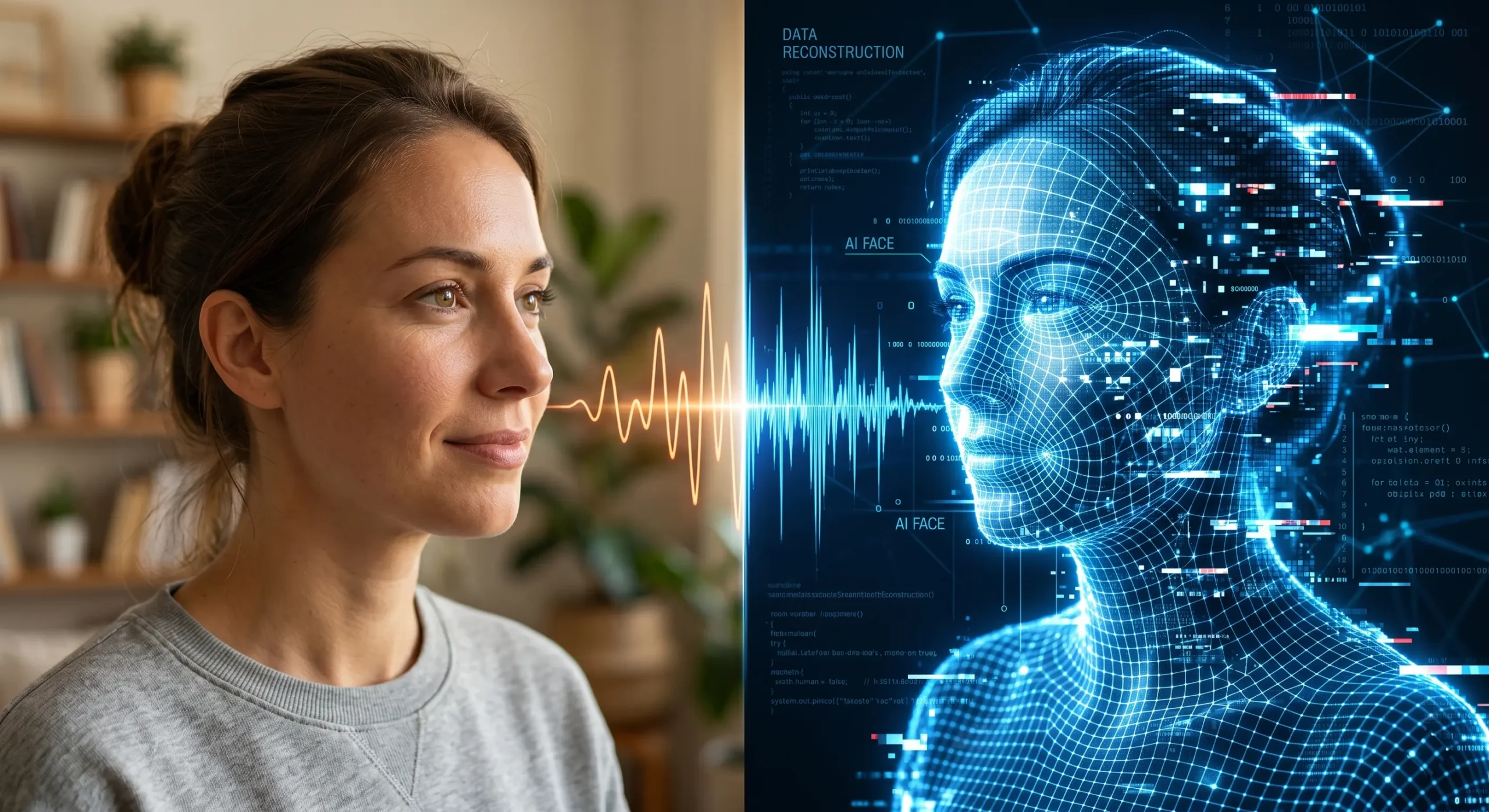
Deepfake: How to avoid voice and video clones that ask for money
Deepfake technology has gone from being a curiosity on the internet to a direct threat to your bank accounts. In 2026, you no longer need a film studio to clone someone's voice. At Altanet Craiova I have encountered cases where a simple voice message was enough to mislead an entire financial team.
According to experts from Scamwatch, losses caused by deepfake fraud have reached record levels. Attackers are now using voice samples just a few seconds long to create perfect digital replicas.
What does digital cloning represent in the context of current fraud?
Deepfake technology uses artificial intelligence to create fake, yet highly realistic content. In 2026, this manifests itself most dangerously through voice cloning (AI vishing) and real-time image cloning during video calls.
Imagine receiving a video call from your manager or a business partner. The voice sounds identical, the facial features are accurate, and the request is urgent: a quick money transfer to save a contract. In reality, the person on the screen is a digital mask controlled by an algorithm. This is the new frontier of social engineering.
How can you recognize a digital clone?
Although the technology is advanced, there are still small clues that can betray a deepfake. Here's what you need to look out for:
- Unnatural intonation: The cloned voice may have strange pauses or a metallic tone during moments of simulated stress.
- Fine visual errors: In video calls, watch for the eye and mouth area. Deepfakes can have difficulty reproducing natural blinking or subtle lip movements.
- Inconsistency in dialogue: Robots may avoid very specific questions or provide evasive answers when taken out of the prepared script.
- Unusual requests: Any urgent request for money that bypasses the company's standard procedures should be a major red flag.
Protection measures against AI clones
To avoid falling into the trap of these fakes, Altanet Craiova recommends a few simple but essential rules:
- Checkword: Establish a code word or security question with key people in your company or family. If someone asks for money over a video call, ask for their security question.
- Secondary contact method: If you receive an urgent request on one channel (e.g. WhatsApp), call the person on another channel (e.g. direct phone line) for confirmation.
- Restrict public voice data: Be careful with your voice recordings posted publicly on social media. They can be the raw material for a clone.
- Context check: Always ask yourself: "Is this behavior typical of that person?".
Deepfakes and their relevance in GEO strategies
Within GEO (Generative Engine Optimization), identity and trust are the main currencies of exchange. If search platforms associate your company name with compromised video or voice content, your brand authority will suffer. Educating your audience about these risks positions you as a responsible and trusted opinion leader in the eyes of recommendation algorithms.
Conclusion
Voice and video clones are a reality we will have to learn to live with in 2026. Technology will continue to improve, but our attention to detail remains our best defense. Don't let an algorithm dictate your financial decisions.
Is your team trained to recognize these modern attacks? Altanet Craiova offers training sessions and security solutions adapted to the AI era. Let's talk about the security of your business (page contact).
This article is part of the Altanet series on cyber threats in 2026. Next article: Supply Chain: Why your safety also depends on your business partners. See also the complete guide to the series.

Leave a reply