
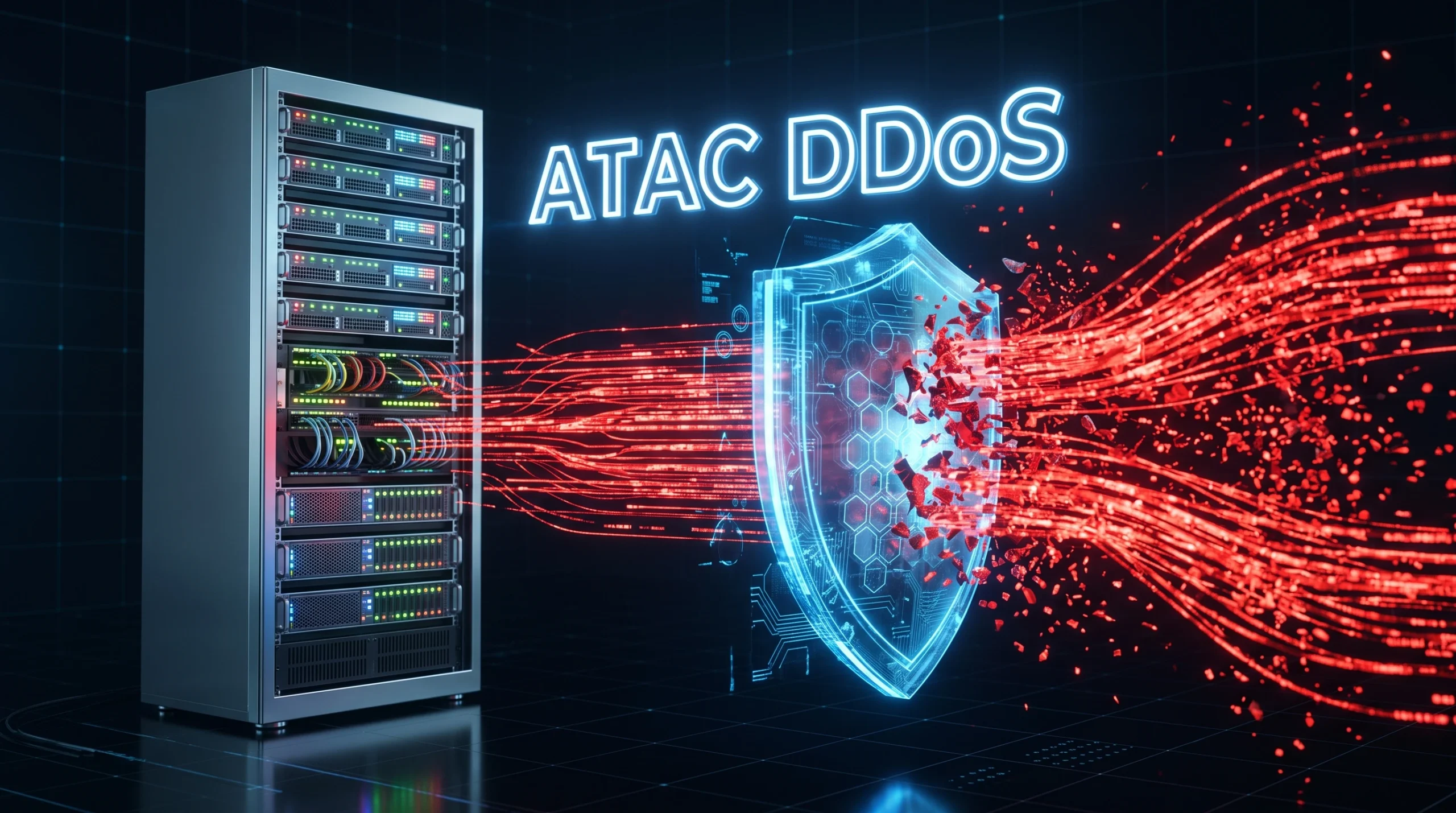
A DDoS attack does not steal sensitive data from your company. It does not even encrypt the documents on your employees' computers. This cyberattack simply makes a service go down. As a result, your platform becomes completely unavailable to your customers. In March 2026, the consular platforms of MAE (the Romanian Ministry of Foreign Affairs) were targeted. These are the well-known websites eviza.mae.ro and econsulat.ro. Then, in September 2026, the DNSC website ran into difficulties. The institution described this incident as a possible DDoS attack. For any specialist, these two cases send an essential message. The availability of your services is a clear security objective. It is not just a minor web hosting issue. Let's analyse these important public events very clearly. Any business can draw valuable conclusions from these real situations.
What exactly happened to the state platforms?
The Ministry officially announced that the consular platforms had been attacked. These websites ran extremely slowly for all citizens. For short periods of time, they were completely unavailable. Fortunately, the technical measures applied immediately greatly reduced the impact. The IT systems quickly returned to fully normal operation. There were no indications at all that confidential information had been accessed. In September, the DNSC website ran into similar technical difficulties. The platform was receiving an absolutely huge volume of simultaneous fake requests. Technical analysis pointed to the clear possibility of a DDoS attack. Additional protection and optimisation measures were applied immediately. What is very pleasantly striking is the speed of the official communication. Both institutions quickly explained the real situation in public. With availability incidents, prolonged silence does enormous harm. All users quickly fill that information gap with speculation.
What exactly is this type of cyberattack?
Many entrepreneurs are still very confused about this technical term. The acronym DDoS stands for Distributed Denial of Service. In short, it is the deliberate blocking of a digital service. Hackers simply flood a website with thousands of fake requests. These useless requests come from a great many sources at the same time. Your server can no longer process your customers' real traffic. As a result, it gives way under pressure and your website goes down. Imagine a hundred people blocking the door of a physical shop. Your real customers cannot get inside at all. This is exactly how this type of attack works online. The main goal is to leave you with no daily business activity at all. It is a brutal and very effective method of modern digital intimidation.
Why is it so serious if no data is stolen?
In Romanian organisations, this is the most underestimated cyber incident. Many managers' reasoning is often extremely dangerous and wrong. They believe that the absence of stolen data means a completely minor danger. A website that is down directly means business enquiries not submitted on time. It means missed appointments and customers calling you in complete desperation. The same increased phone traffic quickly blocks all your other channels. If the public website shares infrastructure with your internal applications, you suffer. Your entire office will not be able to work at all during those hours. The most dangerous aspect, however, is the moment when the attack stops. Sometimes the wave of requests is just a smokescreen. It actually hides another, completely illegitimate malicious activity. Your IT team is focused on fixing the main website outage. Meanwhile, a completely suspicious login slips in unnoticed elsewhere.
| Technical gaps in the organisation | Negative effect in business practice |
|---|---|
| No external monitoring | You learn that the platform is down directly from extremely angry customers. |
| No anti-DDoS shield at the provider | The server receives absolutely all the malicious traffic head-on and locks up immediately. |
| Website and office on the same server | When the virtual storefront goes down, the employees in the company can no longer do their work at all. |
What are the real costs of downtime for businesses?
A website that does not respond generates immediate financial losses. Every hour of downtime actually means sales lost from the very first moment. Your business partners very quickly lose trust in the brand. If you offer vital or urgent services, your customers will surely leave for the competition. The cost of recovering after a disaster is always much higher than preventing it. An emergency technical team billed by the hour is always very expensive. Besides money, you lose a huge amount of public image capital every day. People quickly associate your brand directly with technical unreliability. In the modern online environment, loading speed and availability dictate your commercial success. You cannot afford under any circumstances to be offline during the working day. Preparing your digital infrastructure is absolutely mandatory to keep your revenue stable.
What measures completely change the outcome of an incident?
In the institutions' cases, the final outcome was considered acceptable. The service interruptions were fairly short, and communication came immediately. These useful lessons clearly confirm which technical controls actually work in practice. You absolutely need effective protection at the level of your web provider. You must have the technical capability to immediately limit traffic of abnormal volume. Automated external monitoring massively and vitally shortens your entire reaction time. Intelligent filtering of new requests helps your application stabilise. Saved traffic logs always allow a careful and deeply detailed analysis. Only this way can you find out afterwards whether the incident was just a smokescreen. This is exactly the professional way in which the DNSC analysts proceeded. Also, a clear public communication plan reassures customers safely and effectively.
What can you do concretely this week in your company?
Start right now by setting up a very simple external check. Constantly monitor both the website and your company's public platforms. Set an immediate digital alert directly on the phone of a designated responsible person. Ask your hosting provider today for details about their technical protection measures. Find out exactly what happens technically when your daily traffic grows enormously. Quickly check whether your company website shares the same server with your internal files. If the technical answer is yes, you must quickly plan a complete separation. Write in advance a short standard explanatory message for possible moments of unavailability. Decide very clearly who will publish it and on which information channels it will appear. Always check the log files after any unwanted interruption. You can ask at any time for specialist advice from experts in the field. Quickly schedule an IT audit for companies that highlights any hidden vulnerability. You can visit our contact section for cybersecurity solutions. Our team analyses the network in detail and ensures the stability of your business platforms.