
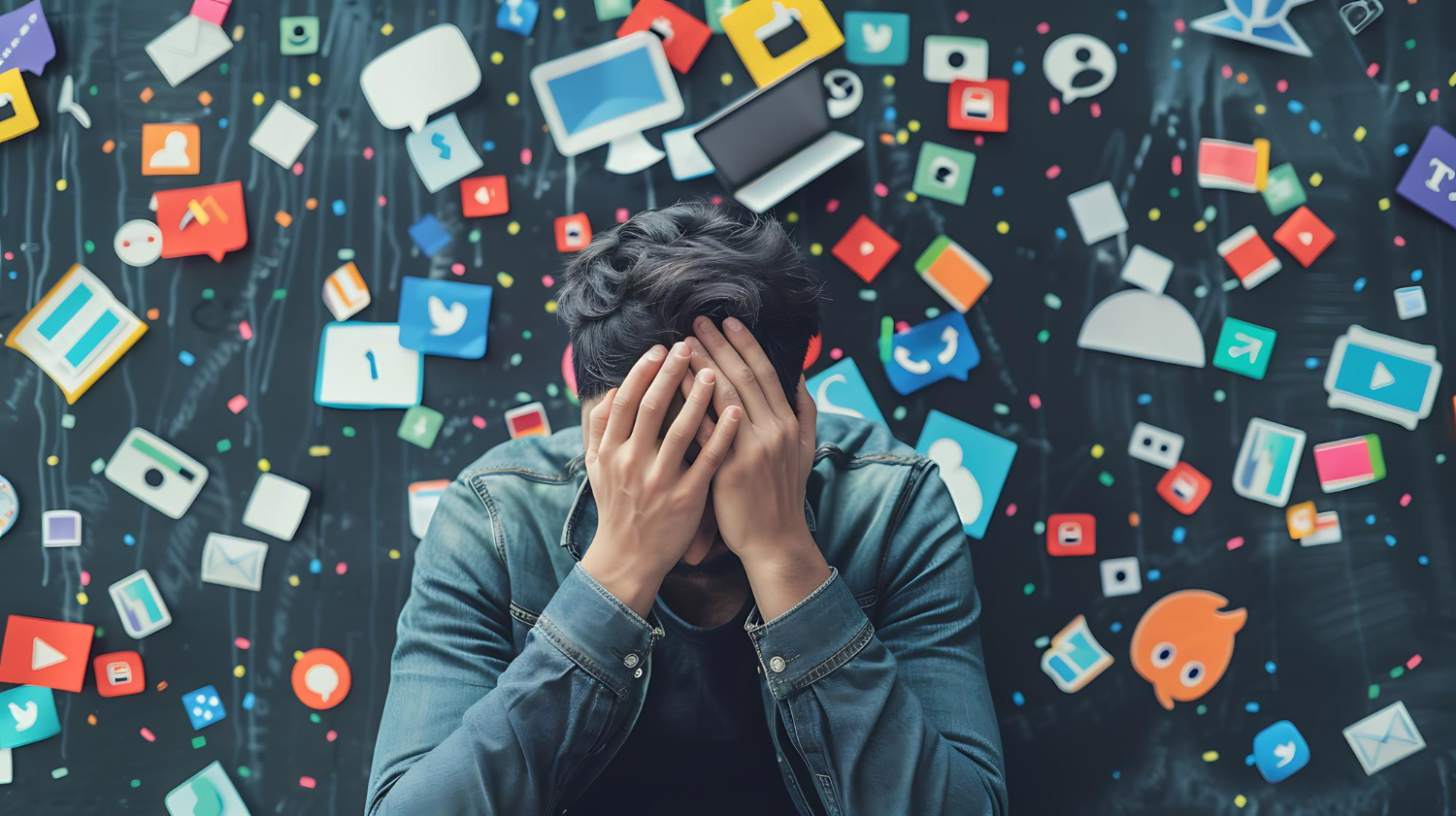
Social media and digital burnout in Romania: when too much online becomes overwhelming in 2025
Introduction to digital exhaustion
Endless scrolling on TikTok, dozens of notifications on Instagram, the pressure to reply instantly on WhatsApp, the fear of missing out on some news (FOMO)… Sound familiar? In 2025, social media is an omnipresent part of our lives. However, excessive use can lead to an increasingly widespread phenomenon: digital burnout. This form of mental and emotional exhaustion, caused by prolonged exposure to technology, affects more and more Romanians.
What is digital burnout and how do you recognise it?
Digital burnout is not simple tiredness, but a state of chronic exhaustion. The signs can vary, but the most common include:
- Persistent mental fatigue: Difficulty concentrating, a feeling of "brain fog" and an inability to enjoy offline activities.
- Anxiety and irritability: Increased nervousness, sensitivity to social comparison and feelings of inadequacy generated by the filtered lives on social networks.
- Declining performance: Constant distraction, procrastination and difficulty completing daily tasks.
- Cynicism and emotional detachment: Loss of interest in activities that used to bring pleasure, and a feeling of inner emptiness.
- Sleep problems: Difficulty falling asleep, often because of phone use before bed.
- Physical symptoms: Headaches, muscle tension or digestive problems.
How does social media contribute to this exhaustion?
Social media platforms are, by design, built to capture our attention for as long as possible.
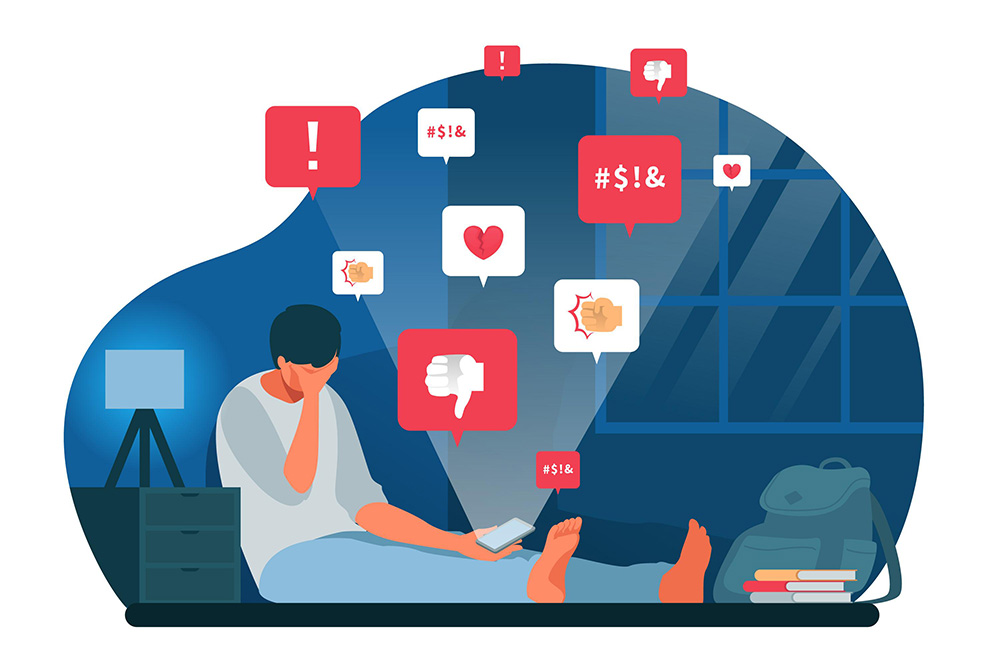
- Addictive design: Constant notifications and infinite scroll trigger the release of dopamine in the brain, creating a reward cycle that encourages repetitive use.
- The pressure of social comparison: Constant exposure to idealised versions of reality (exotic holidays, professional success) can lead to envy and dissatisfaction. Young Romanians, in particular, may feel intense pressure to conform to unrealistic standards promoted by influencers.
- Fear of missing out (FOMO): The need to always be up to date generates anxiety and compulsive phone checking.
- Blurred boundaries: For many professionals in Romania, especially in marketing or creative fields, a social media presence is part of the job. Work WhatsApp groups that run around the clock and the expectation of being always available contribute to exhaustion.
Strategies to prevent and fight digital burnout
Recognising the signs is the first step. The next is conscious action.
- Set time limits: Use your phone's features ("Digital Wellbeing" or "Screen Time") to monitor and limit the time spent on apps.
- Create "digital detox" periods: Set regular intervals (one evening a week, one weekend a month) when you disconnect completely. Avoid your phone for at least an hour before bed.
- Turn off unnecessary notifications: Keep only the truly essential alerts active to reduce the temptation of constant checking.
- Be selective about who you follow: Drop the accounts that put you in a negative mood. Follow content that inspires, educates or relaxes you.
- Invest in offline activities: Sport, walks in nature or quality time spent with friends (face to face) are essential.
- Ask for professional help: If the symptoms are severe, do not hesitate to talk to a psychologist. Platforms such as Psiho.ro can be a first step in finding a specialist.
Conclusion: take control of your relationship with technology
Social media is a powerful tool, but it can be harmful if used to excess. Awareness of the risks and the adoption of digital self-care strategies are vital for our mental health. It is time to take control. For companies, this means creating a culture that respects free time, a principle also supported by IT and digitalisation solution providers such as Altanet Craiova, who understand the importance of a healthy balance in the digital age.
For more interesting information about social media, also read our article – How social media algorithms work in 2025