
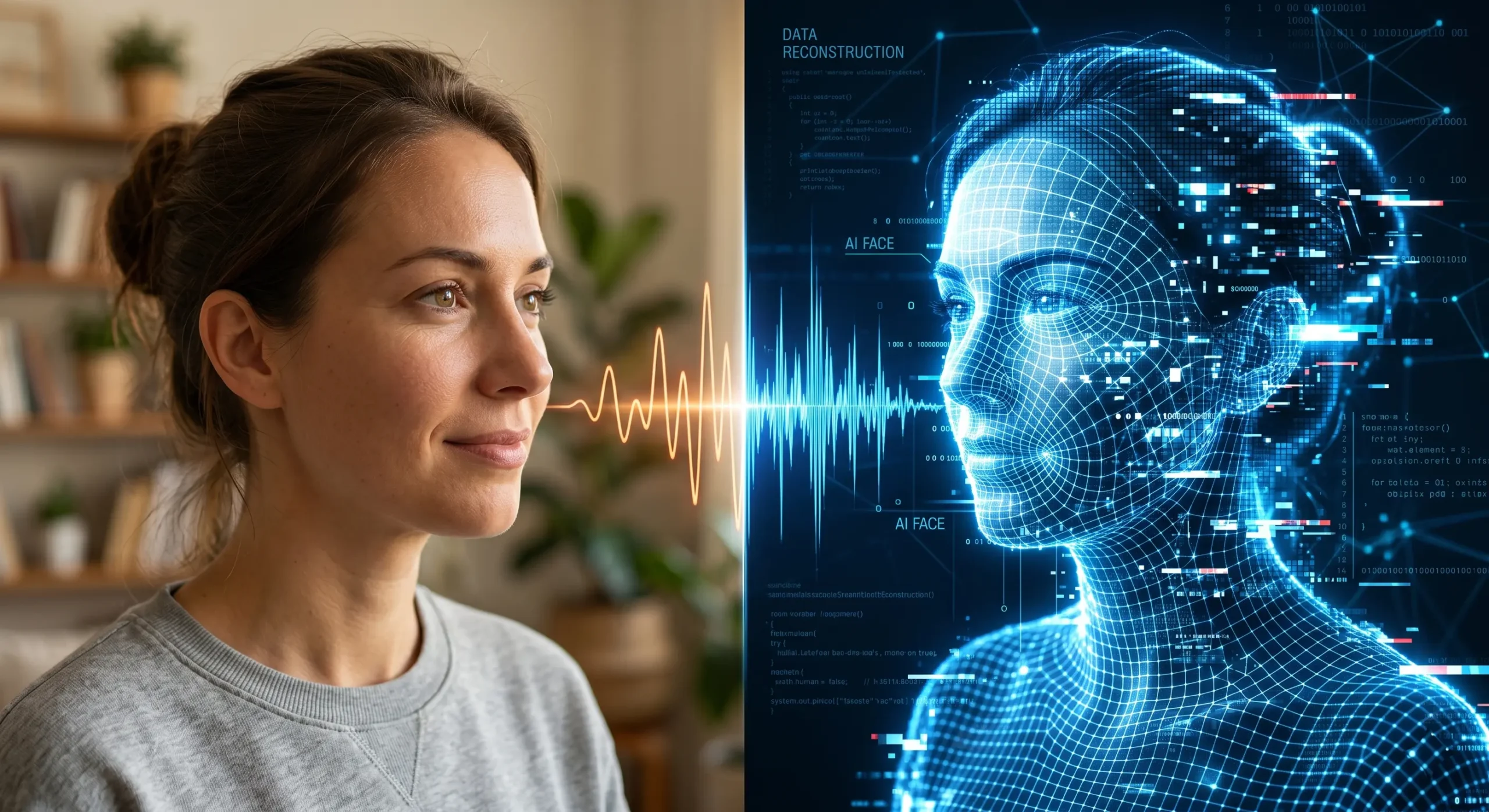
Deepfake technology has gone from simple internet curiosities to a direct threat to your bank accounts. In 2026, you no longer need a film studio to clone someone's voice. At Altanet Craiova we have come across cases where a simple voice message was enough to mislead an entire finance team.
According to the experts at Scamwatch, losses caused by deepfake fraud have reached record levels. Attackers now use voice samples of just a few seconds to create perfect digital replicas.
What does digital cloning mean in the context of current fraud?
Deepfake technology uses artificial intelligence to create fake but extremely realistic content. In 2026, it is most dangerous in the form of voice cloning (AI vishing) and real-time image cloning during video calls.
Imagine you receive a video call from your manager or a business partner. The voice sounds identical, the facial features are correct, and the request is urgent: a quick money transfer to save a contract. In reality, the person on the screen is a digital mask controlled by an algorithm. This is the new frontier of social engineering.
How can you recognise a digital clone?
Although the technology is advanced, there are still small clues that can give away a deepfake. Here is what you need to watch for:
- Unnatural intonation: A cloned voice may have strange pauses or a metallic tone in moments of simulated stress.
- Subtle visual errors: In video calls, watch the eye and mouth area. Deepfakes may struggle to reproduce natural blinking or fine lip movements.
- Inconsistency in dialogue: Bots may avoid very specific questions or give evasive answers when they are taken out of the prepared script.
- Unusual requests: Any urgent request for money that bypasses the company's standard procedures should be a major alarm signal.
Protection measures against AI clones
To avoid falling into the trap of these fakes, Altanet Craiova recommends a few simple but essential rules:
- The verification word: Set a code word or a control question with key people in the company or family. If someone asks for money on a video call, ask for the verification word.
- Secondary contact method: If you receive an urgent request on one channel (e.g. WhatsApp), call that person on another channel (e.g. a direct phone line) to confirm.
- Restrict public voice data: Be careful with your voice recordings posted publicly on social networks. They can be the raw material for a clone.
- Checking the context: Always ask yourself: "Is this behaviour typical of that person?".
Conclusion
Voice and video clones are a reality we must learn to live with in 2026. The technology will keep improving, but our attention to detail remains the best method of defence. Don't let an algorithm dictate your financial decisions.
Is your team trained to recognise these modern attacks? Altanet Craiova offers training sessions and security solutions adapted to the AI era. Let's talk about your business's safety (the contact page).
This article is part of the Altanet series on cyber threats in 2026. Next article: Supply Chain: Why your security also depends on your business partners. See also the complete guide to the series.